
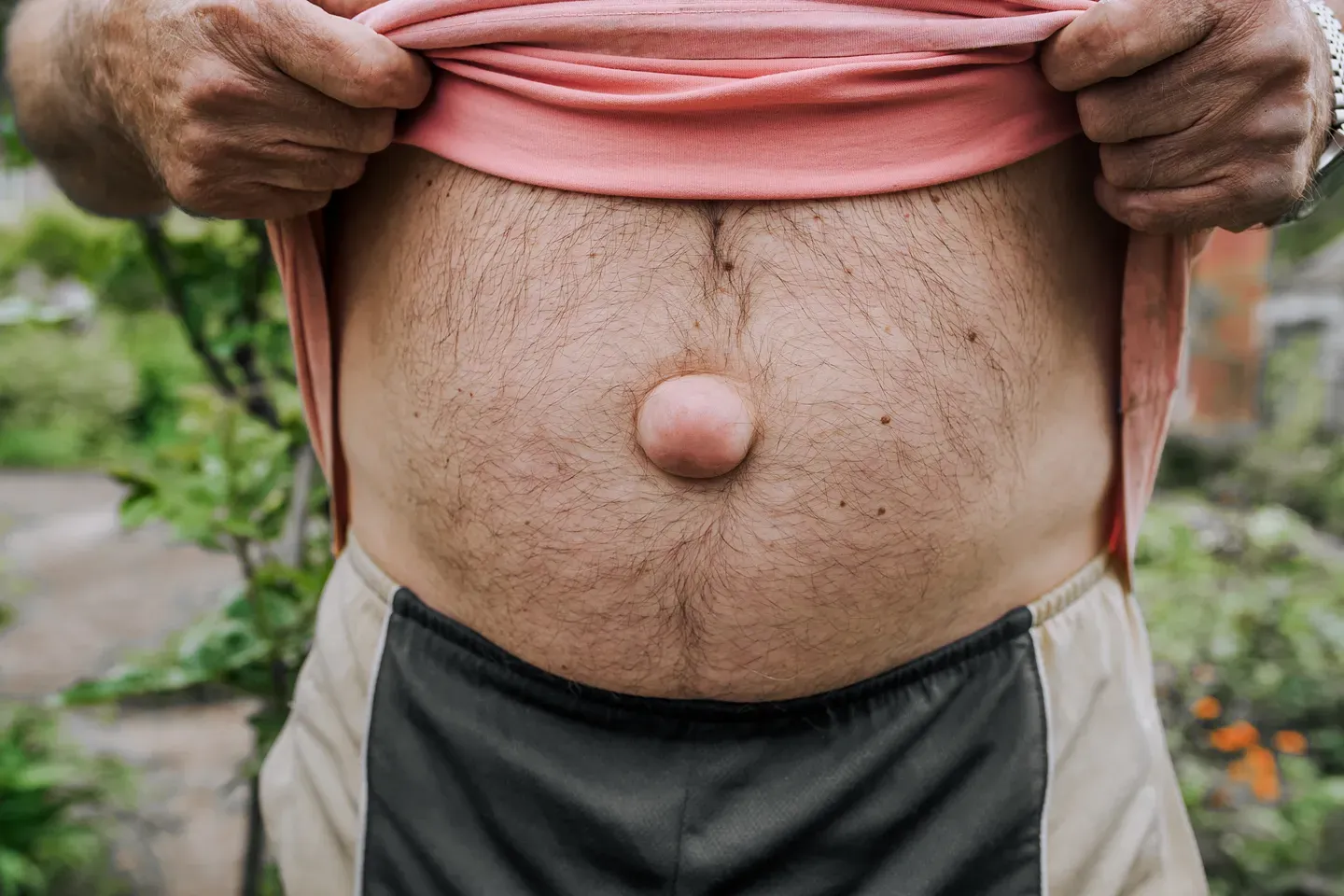
Hernia surgery is one of the most commonly performed surgical procedures worldwide and is generally highly successful. However, in some cases, a hernia may return after it has been repaired. This condition is known as a recurrent hernia.
For patients, discovering that a hernia has come back can be disappointing and concerning. Understanding why recurrence occurs and what can be done to prevent it is important for achieving the best long-term outcomes.
According to Dr. Santhosh R, recurrent hernias can result from a combination of patient-related factors, tissue characteristics, lifestyle influences, and surgical considerations. Fortunately, advances in modern hernia surgery have significantly improved repair durability and reduced recurrence rates.
What Is A Recurrent Hernia?
A recurrent hernia occurs when tissue or an organ protrudes again through a previously repaired weak area in the abdominal wall.
Recurrence can develop:
- Months after surgery
- Several years later
- At or near the original repair site
The risk and timing of recurrence vary depending on the type of hernia and individual patient factors.
Common Types Of Recurrent Hernias
A recurrence can occur after repair of various hernia types, including:
- Inguinal hernia
- Umbilical hernia
- Incisional hernia
- Femoral hernia
- Ventral hernia
Some hernia types have a higher tendency to recur than others.
Why Do Hernias Come Back?
Several factors can contribute to recurrence.
Weakness Of Abdominal Tissues
Some individuals naturally have weaker connective tissue, making the abdominal wall more prone to developing hernias even after repair.
Increased Pressure Inside The Abdomen
Repeated strain on the abdominal wall can place stress on a previous repair.
Common causes include:
- Chronic coughing
- Constipation and straining
- Heavy lifting
- Obesity
- Pregnancy
- Prostate-related urinary straining
Persistent pressure can gradually weaken the repaired area.
Wound Healing Problems
Successful hernia repair depends on proper healing.
Factors that may impair healing include:
- Smoking
- Poor nutrition
- Diabetes
- Chronic illnesses
- Infection after surgery
Suboptimal healing may increase the risk of recurrence.
Infection After Hernia Repair
Surgical site infections can weaken tissues and compromise the strength of the repair.
Although uncommon, infections can increase the likelihood of hernia recurrence.
Obesity
Excess body weight places additional pressure on the abdominal wall and can increase both surgical complexity and recurrence risk.
Weight management is often an important component of long-term hernia prevention.
Smoking
Smoking affects blood flow and tissue healing.
Patients who smoke may experience:
- Delayed wound healing
- Increased complications
- Higher recurrence rates
Smoking cessation is strongly recommended before and after surgery.
Does The Surgical Technique Matter?
Yes.
Advances in hernia surgery have significantly reduced recurrence rates, but no repair method can completely eliminate the possibility of recurrence.
Factors that influence outcomes include:
- Type of hernia
- Hernia size
- Surgical approach
- Use of mesh when appropriate
- Surgeon's experience
- Patient-related risk factors
Dr. Santhosh R emphasizes that selecting the most suitable repair technique for each patient is essential for long-term success.
The Role Of Surgical Mesh
Modern hernia repairs often use surgical mesh to reinforce weakened tissues.
Benefits of mesh reinforcement may include:
- Improved repair strength
- Reduced tension on tissues
- Lower recurrence rates in many cases
The decision to use mesh depends on the type and complexity of the hernia.
Warning Signs Of A Recurrent Hernia
Patients should seek evaluation if they notice:
- A new bulge near the previous surgical site
- Pain or discomfort during activity
- A feeling of pressure or heaviness
- Swelling that becomes more noticeable when standing
- Symptoms similar to the original hernia
Early diagnosis allows treatment before complications develop.
How Are Recurrent Hernias Diagnosed?
Diagnosis usually involves:
Physical Examination
A detailed examination often identifies the recurrence.
Imaging Studies
Additional tests may include:
- Ultrasound
- CT scan
- MRI in selected cases
Imaging helps define the size and location of the recurrent defect.
Treatment Options For Recurrent Hernias
Treatment depends on:
- Hernia size
- Symptoms
- Previous repair technique
- Patient health status
Surgical Repair
Most symptomatic recurrent hernias require surgery.
Options may include:
- Open hernia repair
- Laparoscopic hernia repair
- Advanced abdominal wall reconstruction in complex cases
The surgical plan is individualized based on the patient's needs.
Minimally Invasive Surgery
Laparoscopic techniques may offer advantages in selected recurrent hernia cases, including:
- Smaller incisions
- Reduced postoperative discomfort
- Faster recovery
- Improved visualization of previous repair areas
Not every recurrence is suitable for a minimally invasive approach, and careful evaluation is necessary.
Can Hernia Recurrence Be Prevented?
While recurrence cannot always be prevented completely, several measures may reduce the risk:
- Maintain a healthy weight
- Stop smoking
- Manage chronic cough
- Avoid excessive straining
- Follow postoperative activity restrictions
- Control diabetes and other chronic conditions
Following your surgeon's recommendations is essential for optimal healing.
When Should You Consult A Surgeon?
Seek medical attention if you experience:
- A new abdominal or groin bulge
- Persistent discomfort near a previous repair
- Swelling that increases with activity
- Symptoms interfering with daily life
Prompt evaluation can prevent complications and allow timely treatment.
Conclusion
Although modern hernia surgery is highly effective, recurrent hernias can still occur due to factors such as tissue weakness, increased abdominal pressure, obesity, smoking, wound healing problems, or infection. Recognizing symptoms early and addressing risk factors can help improve outcomes.
Dr. Santhosh R emphasizes that recurrent hernias require individualized assessment and treatment planning. With advances in surgical techniques, mesh reinforcement, and minimally invasive approaches, most recurrent hernias can be successfully repaired, allowing patients to return to normal activities with confidence.
FAQs
Q: What Is A Recurrent Hernia?
A: A recurrent hernia is a hernia that returns after a previous surgical repair.
Q: How Common Are Recurrent Hernias?
A: Recurrence rates vary depending on the hernia type, surgical technique, and patient-related factors.
Q: Can A Recurrent Hernia Be Repaired Again?
A: Yes. Most recurrent hernias can be treated successfully with further surgical repair.
Q: Does Smoking Increase The Risk Of Hernia Recurrence?
A: Yes. Smoking can impair healing and increase the likelihood of recurrence.
Q: Is Laparoscopic Surgery Possible For Recurrent Hernias?
A: In many cases, laparoscopic repair may be an option, depending on the type and complexity of the recurrence.
Concerned about a hernia that has returned after surgery? Consult Dr. Santhosh R for expert evaluation, advanced hernia repair solutions, and personalized treatment plans designed to achieve durable, long-term results.