Bile duct disorders can affect digestion, liver function, and overall health. These conditions often cause symptoms such as abdominal pain, jaundice, fever, or digestive discomfort. Fortunately, advances in medical technology now allow many bile duct problems to be treated with minimally invasive procedures, reducing the need for major open surgery.
According to Dr Santhosh R advanced laparoscopic surgeon GI and HPB oncosurgeon bariatric surgeon, early diagnosis and appropriate minimally invasive treatment help prevent complications and support faster recovery.
Understanding Bile Duct disorders
The bile ducts are thin channels that carry bile from the liver and gallbladder to the intestine, helping digest fats. When these ducts become blocked, inflamed, narrowed, or affected by tumors, patients may develop significant symptoms.
Common bile duct disorders include:
- Gallstones blocking the bile duct
- Inflammation or infection of the bile ducts
- Benign or malignant strictures
- Congenital bile duct abnormalities
- Tumors affecting the bile ducts or surrounding organs
Timely diagnosis helps prevent serious complications such as liver damage or infection.
Common Symptoms That Need Attention
Symptoms may vary depending on the underlying cause but should never be ignored.
Typical warning signs include:
- Yellowing of the skin or eyes
- Persistent upper abdominal pain
- Fever or chills with abdominal discomfort
- Dark urine or pale stools
- Digestive disturbances and nausea
Dr Santhosh R advises prompt evaluation when these symptoms appear to ensure early and effective management.
Minimally Invasive Diagnostic Techniques
Accurate diagnosis is essential before treatment planning. Modern imaging and endoscopic techniques allow detailed evaluation without major surgery.
Common diagnostic approaches include:
- Ultrasound for initial assessment
- MRI based imaging to visualize bile ducts clearly
- Endoscopic imaging techniques to identify blockages or strictures
- Laboratory tests to evaluate liver function
These methods help guide precise treatment decisions.
Minimally Invasive Treatment Options
Advances in surgical and endoscopic techniques have significantly improved the management of bile duct disorders. Many procedures can now be performed with minimal incisions or through endoscopic access.
Common Minimally Invasive Procedures Include:
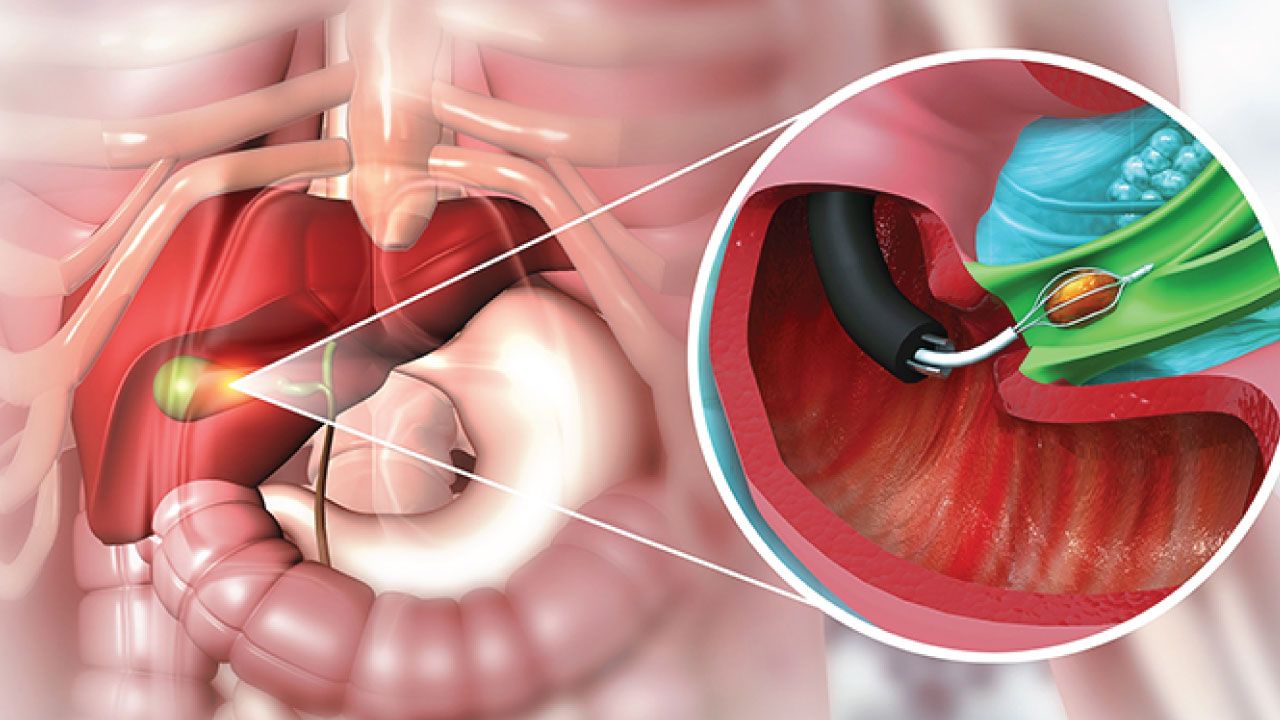
- Endoscopic procedures to remove bile duct stones or relieve obstruction
- Laparoscopic surgery for gallbladder and bile duct related conditions
- Stent placement to maintain bile duct flow
- Targeted treatment for strictures or tumors when indicated
Dr Santhosh R advanced laparoscopic surgeon GI and HPB oncosurgeon bariatric surgeon specializes in advanced minimally invasive approaches tailored to each patient.
Benefits Of Minimally Invasive Procedures
Minimally invasive techniques offer several advantages compared with traditional open surgery.
Key benefits include:
- Less postoperative pain
- Smaller incisions and minimal scarring
- Shorter hospital stay
- Faster return to daily activities
- Reduced risk of complications when appropriately performed
These benefits contribute to improved patient comfort and quicker recovery.
Importance Of Early Intervention
Delaying treatment for bile duct disorders can lead to complications such as infection, pancreatitis, liver damage, or worsening obstruction. Early medical consultation allows timely diagnosis and prevents serious outcomes.
Dr Santhosh R emphasizes that proactive evaluation leads to better treatment results and safer recovery.
Frequently Asked Questions
Q: What causes bile duct blockage?
A: Gallstones, inflammation, strictures, tumors, or congenital abnormalities can cause bile duct obstruction.
Q: Are minimally invasive procedures safe?
A: Yes. When performed by experienced specialists such as Dr Santhosh R advanced laparoscopic surgeon GI and HPB oncosurgeon bariatric surgeon, these procedures are generally safe and effective.
Q: Is recovery faster with minimally invasive treatment?
A: Most patients experience quicker recovery and less discomfort compared with traditional open surgery.
Q: Can bile duct disorders be prevented?
A: Some causes cannot be prevented, but healthy lifestyle habits and regular checkups help reduce risk.
Q: When should I see a specialist?
A: Persistent abdominal pain, jaundice, fever, or unexplained digestive symptoms should prompt medical evaluation.
Why consult Dr Santhosh R
Choosing the right specialist is crucial for accurate diagnosis and effective treatment. Bile duct disorders often require advanced expertise in gastrointestinal, hepatobiliary, and minimally invasive surgery.
Consult Dr Santhosh R advanced laparoscopic surgeon GI and HPB oncosurgeon bariatric surgeon for expert evaluation, precise diagnosis, and advanced minimally invasive treatment options. Early consultation helps prevent complications, ensures safer procedures, and supports long term digestive health.