
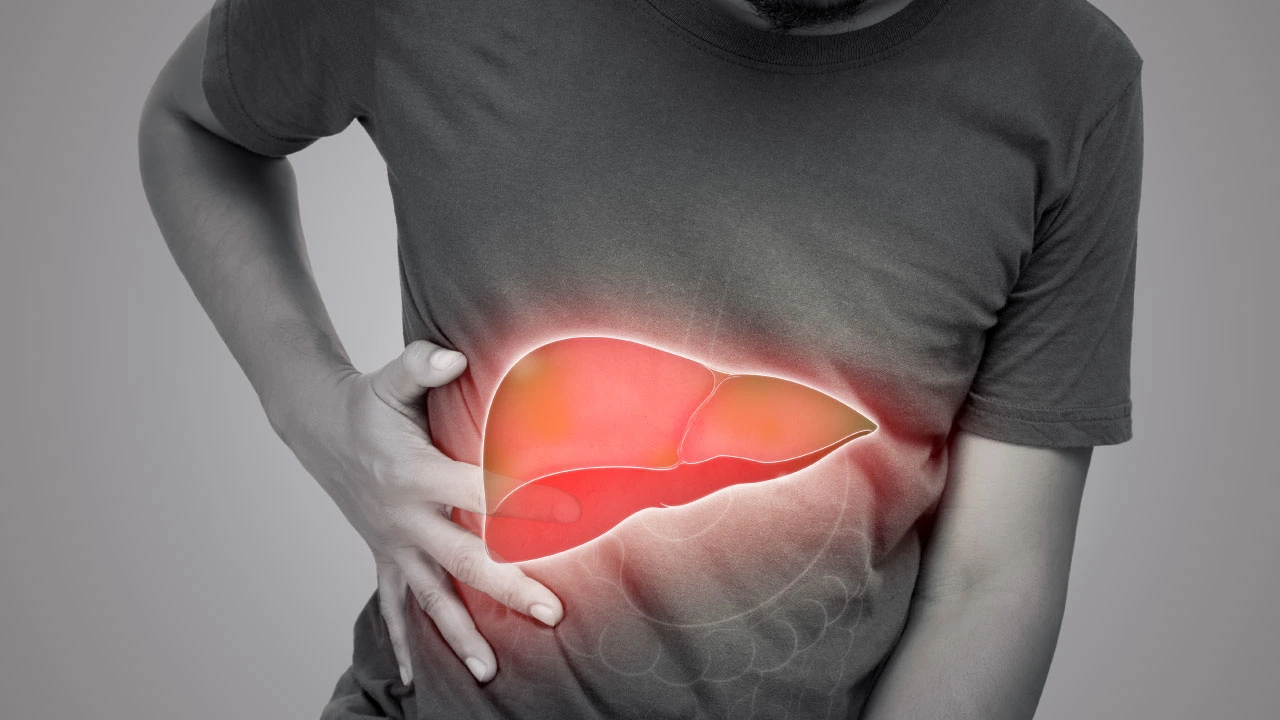
Liver cirrhosis is a serious condition where healthy liver tissue is gradually replaced by scar tissue, affecting the liver’s ability to function properly. While early stages can be managed with medical care and lifestyle changes, advanced cirrhosis may require a liver transplant. In this blog, Dr. Santhosh R explains when cirrhosis progresses to the point where a transplant becomes necessary and what patients should expect.
What Is Liver Cirrhosis
Liver cirrhosis is the result of long-term damage to the liver. Over time, repeated injury causes scarring, which disrupts normal liver function.
According to Dr. Santhosh R, the liver performs vital functions such as detoxifying harmful substances, producing proteins, and aiding digestion. When cirrhosis develops, these functions are impaired.
Common Causes Of Liver Cirrhosis
Cirrhosis can develop due to various underlying conditions.
Major Causes Include:
- Chronic alcohol consumption
- Viral hepatitis (Hepatitis B and C)
- Non-alcoholic fatty liver disease (NAFLD)
- Autoimmune liver diseases
- Genetic conditions
Dr. Santhosh R emphasizes early treatment of these conditions to prevent progression.
Symptoms Of Liver Cirrhosis
In the early stages, cirrhosis may not cause noticeable symptoms. As the disease progresses, symptoms may include:
- Fatigue and weakness
- Loss of appetite
- Nausea
- Swelling in legs and abdomen
- Yellowing of skin and eyes (jaundice)
- Easy bruising or bleeding
Advanced symptoms indicate worsening liver function and require urgent attention.
Stages Of Liver Cirrhosis
Cirrhosis progresses through different stages:
Compensated Cirrhosis
- Liver still performs most functions
- Few or no symptoms
Decompensated Cirrhosis
- Significant liver damage
- Symptoms such as fluid accumulation, bleeding, and confusion
Dr. Santhosh R explains that transplant is usually considered in the decompensated stage.
When Does A Liver Transplant Become Necessary
A liver transplant is considered when the liver can no longer function adequately despite medical treatment.
Key Indicators Include:
- Liver failure
- Recurrent fluid accumulation (ascites)
- Frequent episodes of confusion (hepatic encephalopathy)
- Severe jaundice
- Recurrent gastrointestinal bleeding
- Poor quality of life
Doctors also use scoring systems like MELD (Model for End-Stage Liver Disease) to assess severity.
Dr. Santhosh R carefully evaluates each patient before recommending a transplant.
What Is A Liver Transplant
A liver transplant is a surgical procedure in which a diseased liver is replaced with a healthy liver from a donor.
Types Of Transplant
- Deceased donor transplant
- Living donor transplant
- Evaluation Before Transplant
Before a transplant, patients undergo a thorough evaluation:
- Blood tests
- Imaging studies
- Cardiac and lung assessments
- Psychological evaluation
This ensures that the patient is fit for surgery and improves outcomes.
Life After Liver Transplant
A liver transplant can significantly improve quality of life.
- Post-Transplant Care Includes
- Lifelong medications to prevent rejection
- Regular follow-ups
- Healthy lifestyle habits
Dr. Santhosh R guides patients through recovery and long-term care.
Can Cirrhosis Be Managed Without Transplant
In early stages, cirrhosis can often be managed with:
- Treating the underlying cause
- Avoiding alcohol
- Maintaining a healthy diet
- Medications to manage symptoms
However, once the liver is severely damaged, transplant remains the only definitive treatment.
Preventing Liver Cirrhosis
Prevention focuses on reducing risk factors:
- Limit alcohol intake
- Get vaccinated for hepatitis
- Maintain a healthy weight
- Manage diabetes and cholesterol
- Avoid unnecessary medications
Importance Of Early Detection
Early diagnosis can slow or stop disease progression. Regular health check-ups and timely medical care are essential.
Dr. Santhosh R emphasizes that recognizing symptoms early can help avoid complications and delay the need for transplant.
FAQs
Q: Can liver cirrhosis be reversed?
A: Early-stage damage may be managed, but advanced cirrhosis is usually irreversible.
Q: When is a liver transplant needed?
A: When the liver fails to function and symptoms become severe.
Q: How successful is a liver transplant?
A: Success rates are high with proper care and follow-up.
Q: Can a person live a normal life after transplant?
A: Yes, many patients lead healthy lives after recovery.
Q: How long does it take to recover from a transplant?
A: Initial recovery may take weeks, with long-term care ongoing.
Conclusion
Liver cirrhosis is a progressive condition that can lead to serious complications if not managed properly. While early stages can be treated, advanced disease may require a liver transplant to save life and restore function.
With expert guidance from Dr. Santhosh R, patients can receive timely diagnosis, appropriate treatment, and support throughout their journey. If you or a loved one has liver disease, do not delay seeking medical advice.