
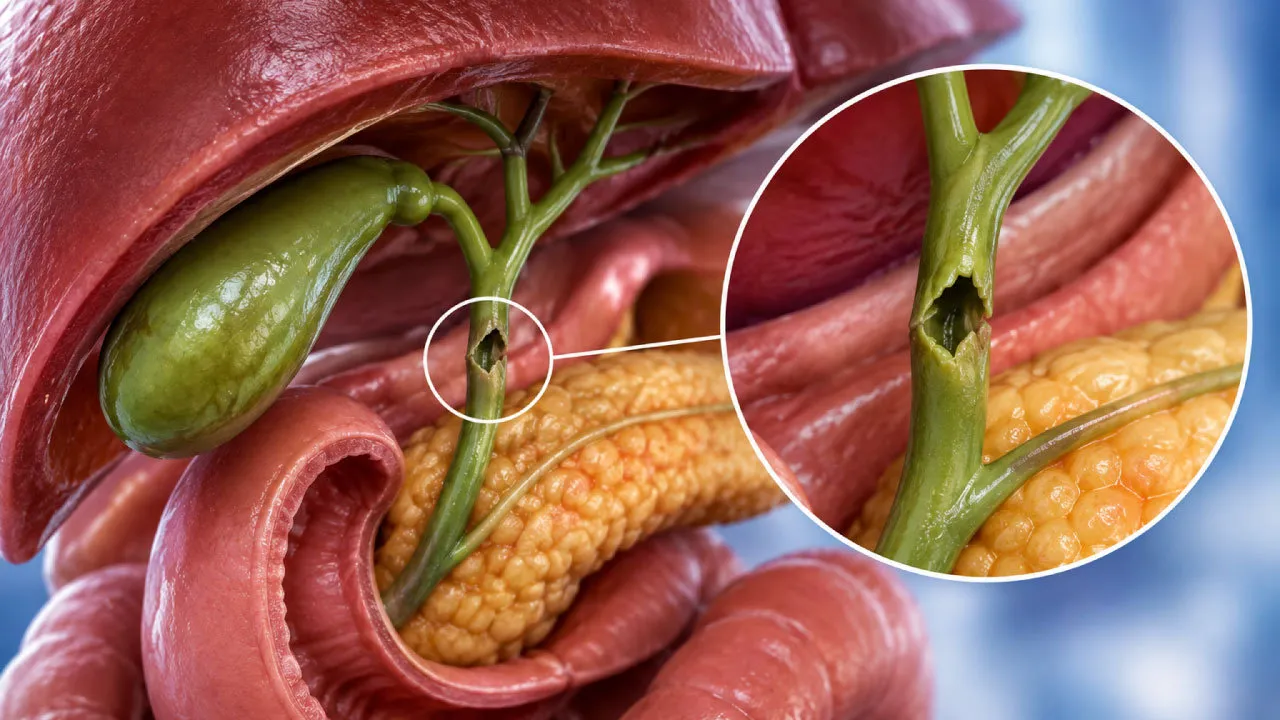
The bile ducts are small tubes that carry bile from the liver to the small intestine, where it helps digest fats. Although these ducts are delicate, they play a vital role in normal digestion. When a bile duct is injured, bile may leak into the abdomen or its normal flow may become blocked, leading to potentially serious complications if not treated promptly.
Bile duct injuries are uncommon, but they require early recognition and expert care. Understanding how these injuries occur, their symptoms, and the available treatment options can help patients seek timely medical attention and improve their chances of a successful recovery.
What Causes Bile Duct Injuries?
Bile duct injuries most commonly occur during surgery to remove the gallbladder (cholecystectomy), particularly when inflammation, scar tissue, or unusual anatomy makes it difficult to clearly identify the bile ducts.
Less commonly, these injuries may result from:
- Liver or pancreatic surgery
- Abdominal trauma
- Certain medical procedures involving the bile ducts
- Severe inflammation or infection affecting the biliary system
Although uncommon, bile duct injuries can happen even during carefully planned procedures, which is why prompt diagnosis is important.
What Symptoms Can Develop?
The symptoms depend on the type and severity of the injury. Some patients notice problems soon after surgery, while others may develop symptoms days or even weeks later.
Common symptoms include:
- Persistent abdominal pain
- Fever or chills
- Yellowing of the skin or eyes (jaundice)
- Nausea and vomiting
- Abdominal swelling
- Leakage of bile from a surgical drain, if one is present
- Dark-colored urine or pale stools
If any of these symptoms occur after gallbladder or liver surgery, they should be evaluated promptly.
How Are Bile Duct Injuries Diagnosed?
Diagnosis begins with a detailed medical history and physical examination. Blood tests may show signs of liver dysfunction or infection.
Your doctor may also recommend imaging studies such as:
- Ultrasound
- CT scan
- MRI with MRCP (Magnetic Resonance Cholangiopancreatography)
- ERCP (Endoscopic Retrograde Cholangiopancreatography) in selected cases
These investigations help identify the location and severity of the injury and guide the most appropriate treatment plan.
What Are the Treatment Options?
Treatment depends on the type of injury, when it is diagnosed, and the patient's overall condition.
Observation and Drainage
Small bile leaks may sometimes be managed with drainage procedures, antibiotics if infection is present, and close monitoring.
Endoscopic Treatment
Some bile leaks or partial injuries can be treated using ERCP, during which a stent may be placed to help bile drain normally and allow the injured area to heal.
Surgical Repair
More significant injuries often require surgery performed by a hepatobiliary surgeon. The procedure depends on the location and extent of the injury and may involve reconstructing the bile duct to restore normal bile flow.
Early referral to a specialist is associated with better outcomes, particularly for complex injuries.
What Happens If a Bile Duct Injury Is Left Untreated?
Without appropriate treatment, bile duct injuries can lead to serious complications, including:
- Bile leakage into the abdomen
- Infection and abscess formation
- Peritonitis
- Narrowing (stricture) of the bile ducts
- Liver damage
- Long-term digestive problems
Timely diagnosis significantly reduces the risk of these complications.
Can Bile Duct Injuries Be Prevented?
While not every bile duct injury can be prevented, careful surgical planning, detailed knowledge of biliary anatomy, and meticulous surgical technique help reduce the risk.
For patients, choosing an experienced surgical team and attending all recommended follow-up appointments after surgery are important steps in ensuring early detection if complications occur.
Early Treatment Makes a Difference
Although bile duct injuries are uncommon, they should never be ignored. Prompt diagnosis and appropriate treatment can help prevent long-term complications and support a smoother recovery.
If you develop persistent abdominal pain, fever, jaundice, or unusual symptoms after gallbladder or liver surgery, seek medical attention without delay. Early evaluation by an experienced hepatobiliary surgeon can make a significant difference in treatment outcomes.
Get Expert Hepatobiliary Care From Dr. Santhosh R
If you're experiencing symptoms suggestive of a bile duct injury or have developed complications after gallbladder or liver surgery, consult Dr. Santhosh R, an experienced Hepatobiliary Surgeon. With expertise in the diagnosis and management of complex liver, gallbladder, and bile duct conditions, he provides personalized treatment plans aimed at restoring normal biliary function and supporting the best possible recovery.
Frequently Asked Questions
Q: Are bile duct injuries common after gallbladder surgery?
A: No. They are uncommon but are recognized complications that require prompt diagnosis and management.
Q: Can a bile duct injury be treated without surgery?
A: Some minor bile leaks can be managed with endoscopic procedures such as ERCP and drainage, while more severe injuries often require surgical repair.
Q: What is ERCP?
A: ERCP is a specialized endoscopic procedure used to diagnose and treat certain bile duct conditions, including selected bile duct injuries and bile leaks.
Q: What are the warning signs after gallbladder surgery?
A: Persistent abdominal pain, fever, jaundice, nausea, abdominal swelling, or bile leakage from a drain should be evaluated promptly.
Q: Can patients recover completely after a bile duct injury?
A: Many patients recover well with timely diagnosis and appropriate treatment, although recovery depends on the severity of the injury and how quickly it is managed.