
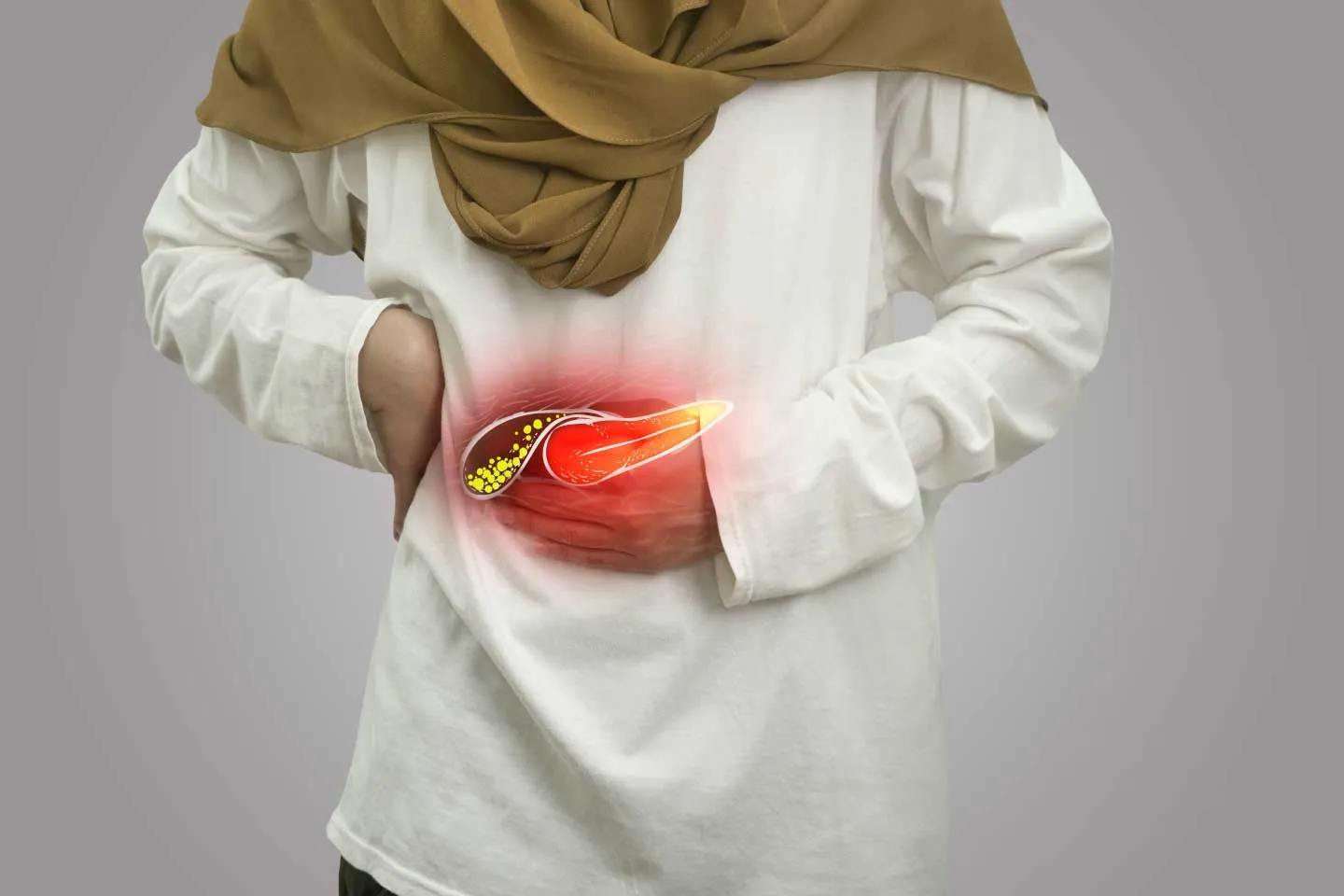
Gallstones are frequently detected during routine health scans even when there are no symptoms. These are commonly known as silent gallstones because they do not initially cause pain or digestive discomfort. This often creates confusion about whether surgery is necessary when there are no obvious problems.
According to Dr Santhosh R, advanced laparoscopic surgeon, GI and HPB oncosurgeon, bariatric surgeon, the decision to proceed with surgery depends on several factors, including the patient’s overall health, risk profile, and the likelihood of future complications.
What Are Silent Gallstones
Gallstones are hardened deposits that form inside the gallbladder due to changes in bile composition. Some people may have gallstones for years without any symptoms. However, the absence of symptoms does not always guarantee that complications will not develop later.
Silent gallstones are usually discovered incidentally during an ultrasound or health check performed for another reason. Since they do not cause pain, nausea, or digestive discomfort, many individuals remain unaware of their presence. Despite this, they still require proper medical evaluation to understand possible future risks.
These stones can vary in size and number. Some remain harmless for long periods, while others may suddenly block the bile duct or cause inflammation. Factors such as obesity, rapid weight loss, diabetes, hormonal influences, and certain dietary habits may increase the likelihood of gallstone formation.
Common characteristics include:
- Detected incidentally during ultrasound or health checkups
- No pain, nausea, or digestive symptoms
- Normal daily functioning without discomfort
- Potential risk of complications over time
Dr Santhosh R emphasizes that even silent gallstones should be monitored regularly to prevent unexpected issues.
When Surgery May Be Considered
Not every person with silent gallstones needs immediate surgery. However, certain situations increase the likelihood of complications.
Surgery may be considered when:
- Stones are large or likely to obstruct bile flow
- The gallbladder wall shows disease or thickening
- Associated conditions such as diabetes or obesity are present
- Family history of gallbladder cancer exists
- Planned bariatric or abdominal surgery is upcoming
Dr Santhosh R, advanced laparoscopic surgeon, GI and HPB oncosurgeon, bariatric surgeon, may recommend elective surgery in selected patients to avoid emergency complications later.
Risks Of Ignoring Silent Gallstones
Many individuals remain symptom free, but some may suddenly develop complications without warning.
Possible risks include:
- Gallbladder inflammation causing severe pain
- Bile duct obstruction leading to jaundice
- Pancreatitis, which can become serious
- Infection requiring urgent treatment
Early consultation with Dr Santhosh R helps assess individual risk and guide timely treatment.
Benefits Of Planned Laparoscopic Surgery
If surgery is advised, minimally invasive laparoscopic gallbladder removal is commonly performed.
Benefits include:
- Smaller incisions and quicker recovery
- Reduced postoperative discomfort
- Shorter hospital stay
- Lower complication risk when performed electively
Dr Santhosh R specializes in advanced laparoscopic procedures aimed at safe recovery and optimal patient outcomes.
When Observation May Be Appropriate
In some cases, monitoring rather than immediate surgery may be appropriate.
Observation may be considered when:
- Gallstones are small and asymptomatic
- No major risk factors are present
- Regular follow up imaging is possible
- Patient preference supports conservative management
Regular evaluation by Dr Santhosh R ensures that any change is identified early.
Lifestyle Measures That Support Gallbladder Health
Healthy lifestyle habits can support digestive health, although they do not eliminate existing stones.
Helpful measures include:
- Balanced diet with moderate fat intake
- Maintaining a healthy body weight
- Regular physical activity
- Adequate hydration
- Periodic medical checkups
These measures may help reduce the risk of complications.
Frequently Asked Questions
Q: Can silent gallstones suddenly cause pain?
A: Yes. Gallstones may remain asymptomatic for years, but sudden blockage or inflammation can cause acute pain that requires prompt medical attention.
Q: Is surgery always necessary for gallstones without symptoms?
A: Not always. The decision depends on individual risk factors, stone size, and clinical assessment by Dr Santhosh R.
Q: Can medicines dissolve gallstones?
A: Medical treatment has limited effectiveness and works only in selected cases. Surgery remains the definitive treatment when complications are likely.
Q: Is laparoscopic gallbladder surgery safe?
A: Yes. It is generally safe when performed by experienced specialists such as Dr Santhosh R, advanced laparoscopic surgeon, GI and HPB oncosurgeon, bariatric surgeon.
Q: What happens if gallstones are left untreated?
A: Some remain harmless, but others may lead to infection, blockage, or pancreatic complications. Regular monitoring is important.
Expert Consultation Matters
If gallstones have been detected, do not ignore them simply because there is no pain. Silent gallstones may remain harmless for years, but in some cases they can lead to sudden complications such as inflammation, infection, or blockage of bile flow. Early evaluation helps identify potential risks and allows timely planning of treatment if needed.
Consult Dr Santhosh R, advanced laparoscopic surgeon, GI and HPB oncosurgeon, bariatric surgeon for expert assessment, clear guidance, and individualized treatment recommendations. Proper consultation not only helps prevent emergency situations but also ensures safer decisions, better recovery outcomes, and long term digestive health.